
MFAH Films: Hollywood’s “Pre-Code” Era
The film series Cracking the (Pre) Code highlights the era before the censorship of the Motion Picture Production Code—often called the Hays Code. Prior to my internship at the MFAH, I wrongly believed that all mainstream films before 1960 were products of an era of censorship. I was unaware that large-scale, Hollywood-backed films could be raunchy, crass, and edgy.
An Exciting and Provocative Lineup
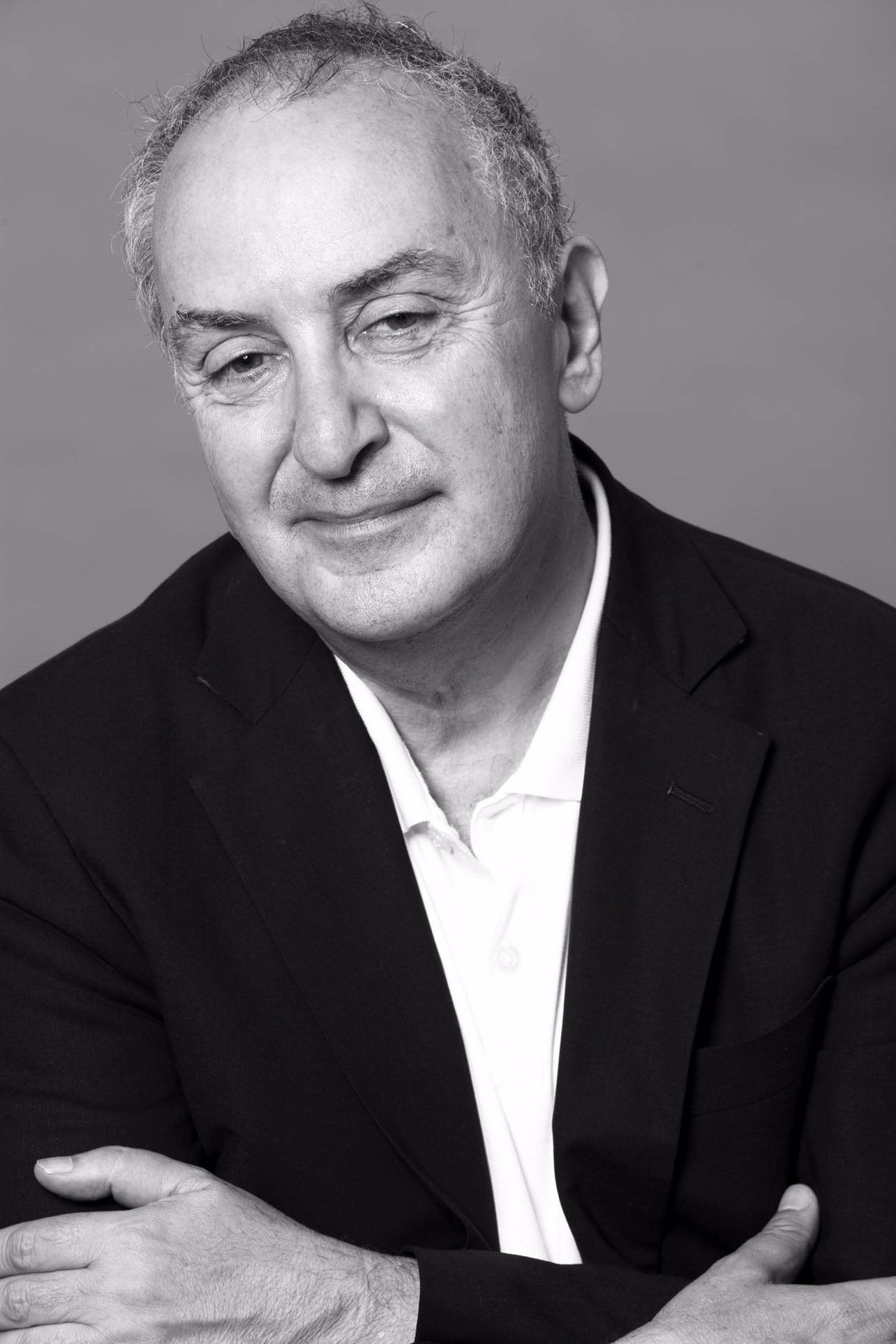
The classifying of this “Pre-Code” era was spearheaded by Bruce Goldstein, founding director of repertory programming at New York’s Film Forum. With Goldstein as guest programmer, MFAH Films coordinated a lineup of exciting and provocative films from the “Pre-Code” era of Hollywood. Veteran film critic J. Hoberman calls Goldstein a “cine-showman extraordinaire,” and you can see why when Goldstein visits Houston for opening weekend of the series.
Top 3 Rules of the Code
But what are some of the rules outlined in the Motion Picture Production Code of 1934? And how were these guidelines ignored in the films you’ll see at the MFAH?
1) “Adultery … must not be explicitly treated, or justified, or presented attractively.”
Many of the movies in this series feature love triangles, women with sexual autonomy, and men with overactive sex drives—betraying the sanctity of marriage without apology.
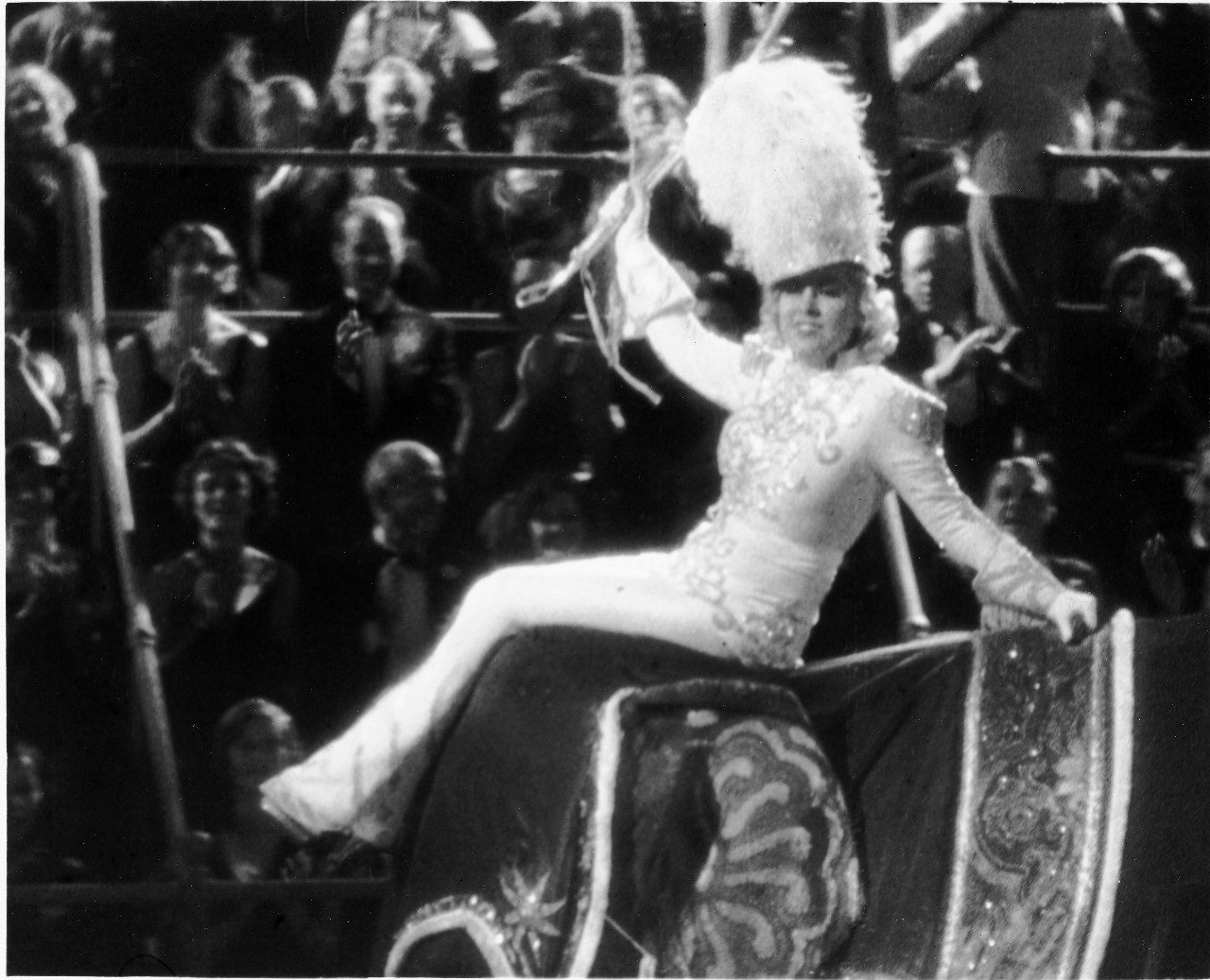
2) “Obscenity in word, gesture, reference, song, joke, or by suggestion … is forbidden.”
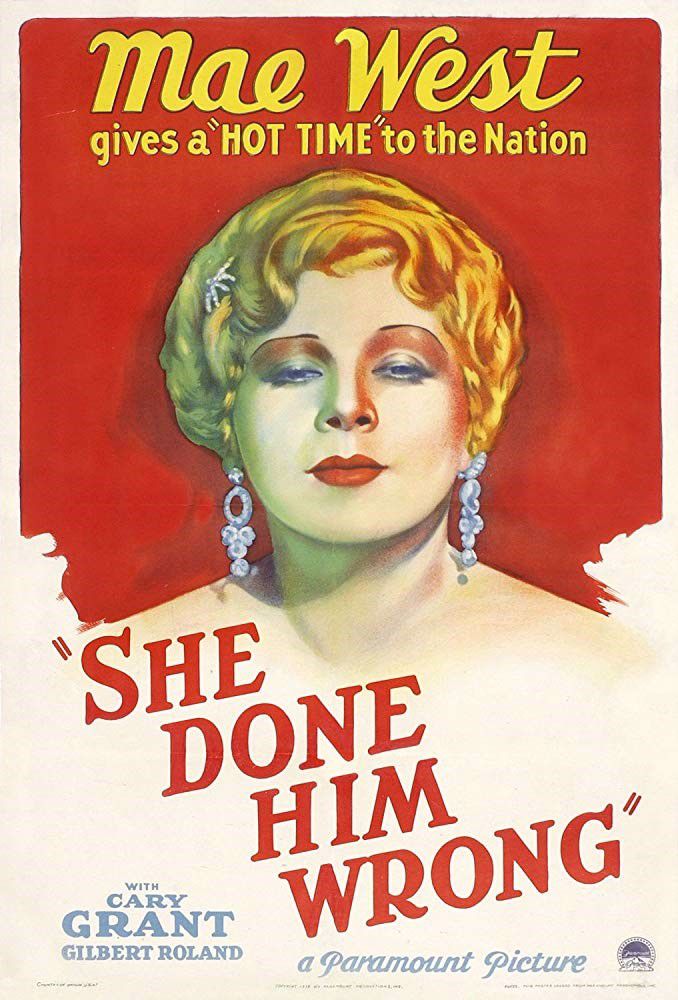
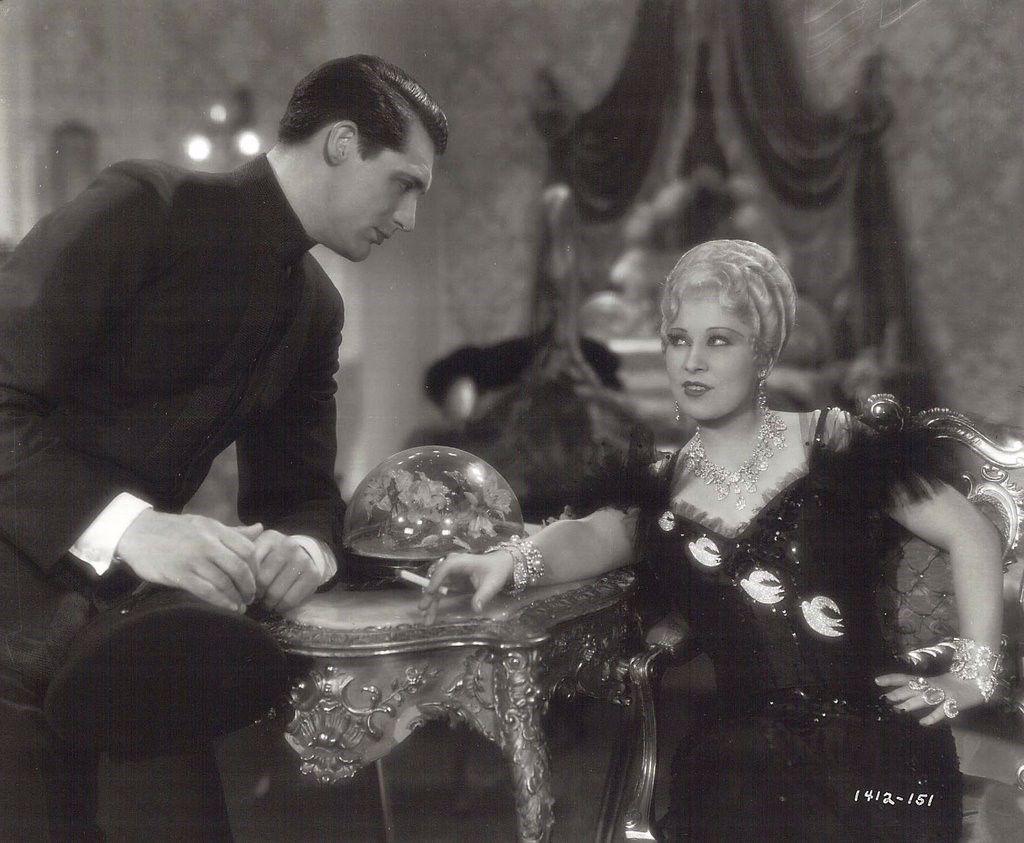
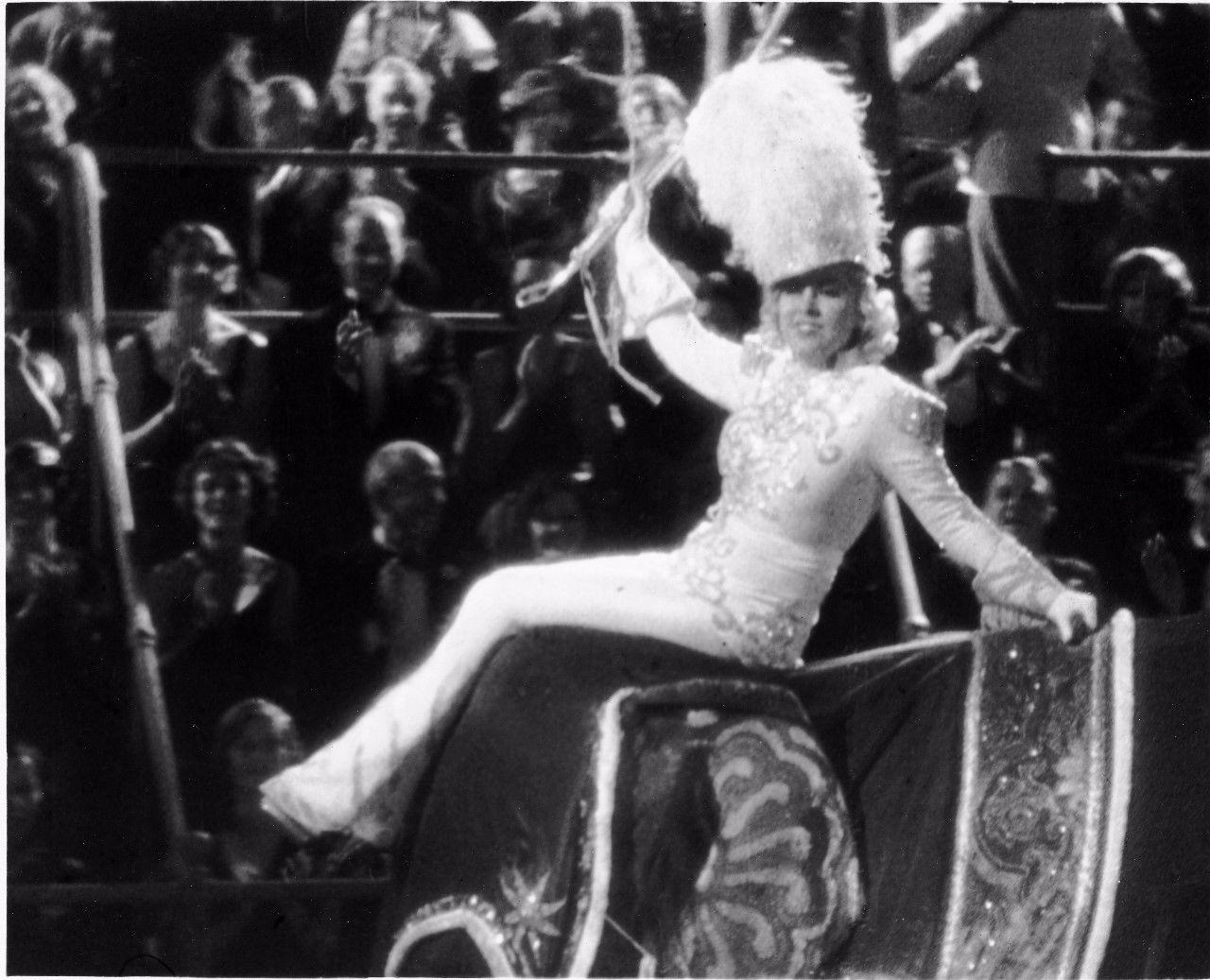
Mae West is known as queen of the wisecrack and duchess of the double entendre. Her starring roles in She Done Him Wrong and I’m No Angel (above) cannot be missed.
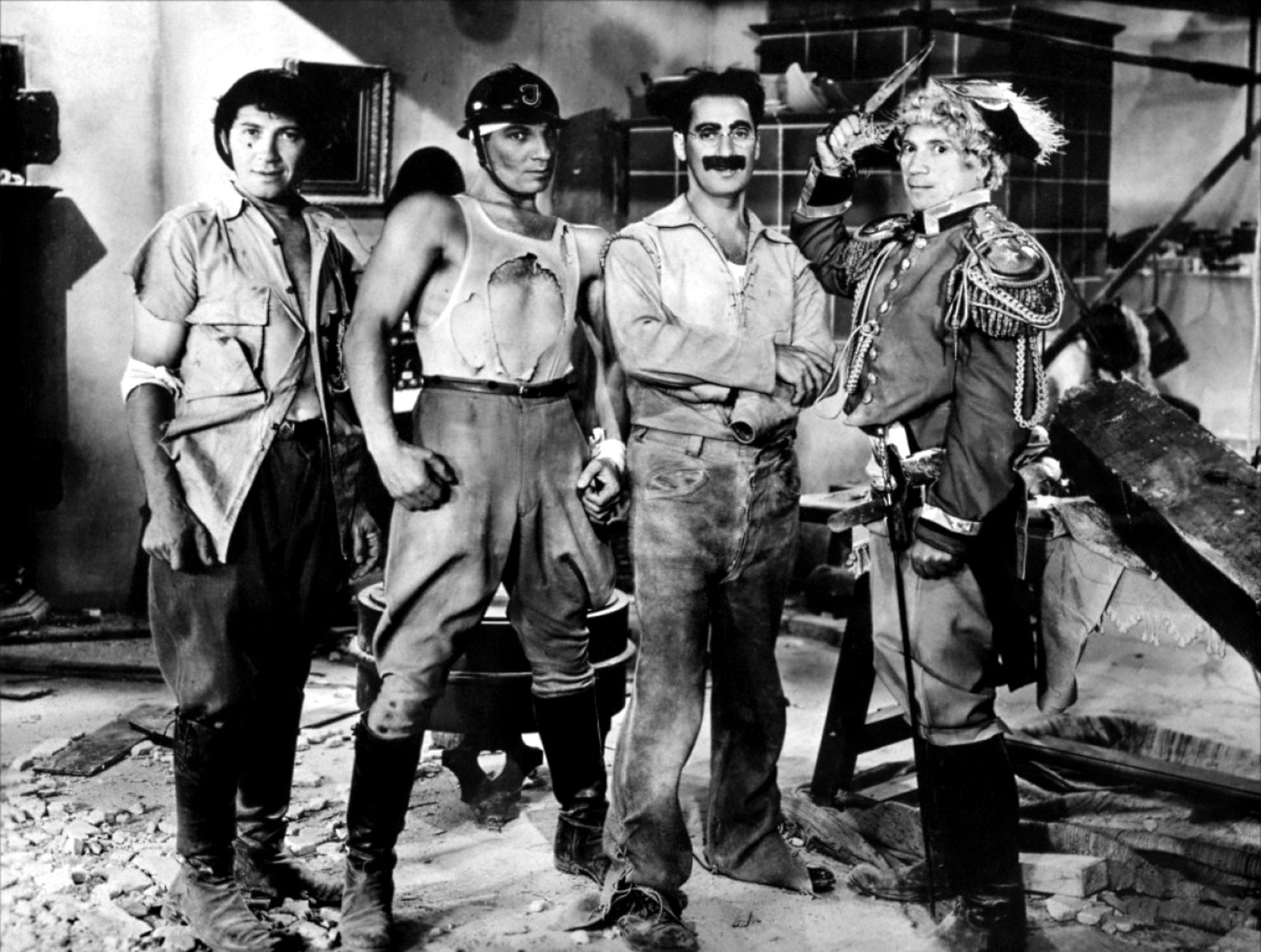
3) “The just rights, history, and feelings of any nation are entitled to consideration and respectful treatment.”
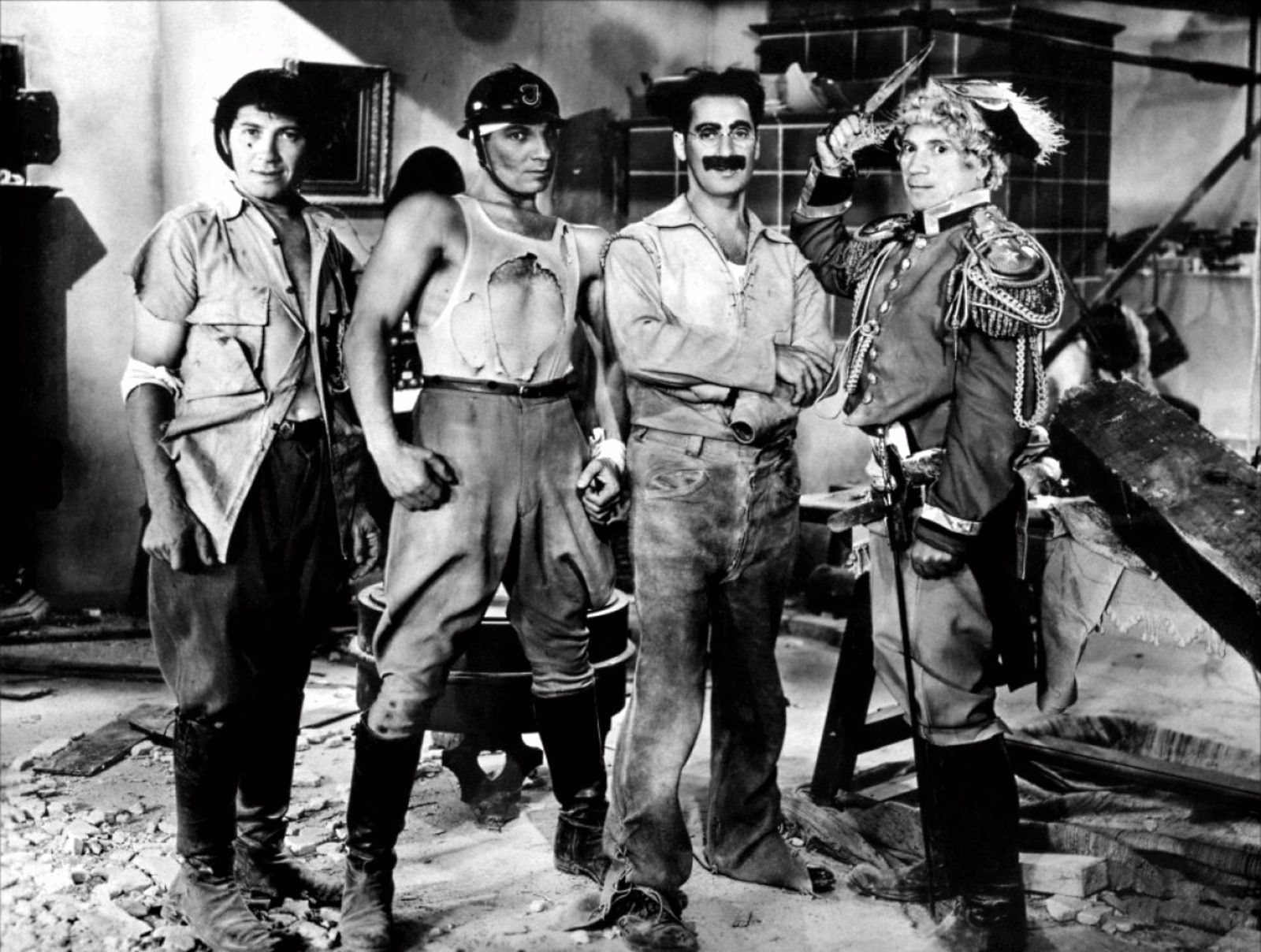
The Marx Brothers’ classic Duck Soup (above) is a scathing satire of the Hoover administration (1929–33). When the movie came out in 1933, audiences were aghast, thinking Duck Soup was criticizing the current, beloved FDR administration—and thus an enormous betrayal of this section of the Hays Code.
► Cracking the (Pre) Code screenings run July 12 to August 10, with appearances by guest programmer Bruce Goldstein on opening weekend. Learn more and get tickets.
Posts

At-Home Art Activity “Exploring Materials and Creating & Modifying Beads” November 15, 2022
Create your own art while exploring a variety of materials and beads, with inspiration from works in the MFAH collections.
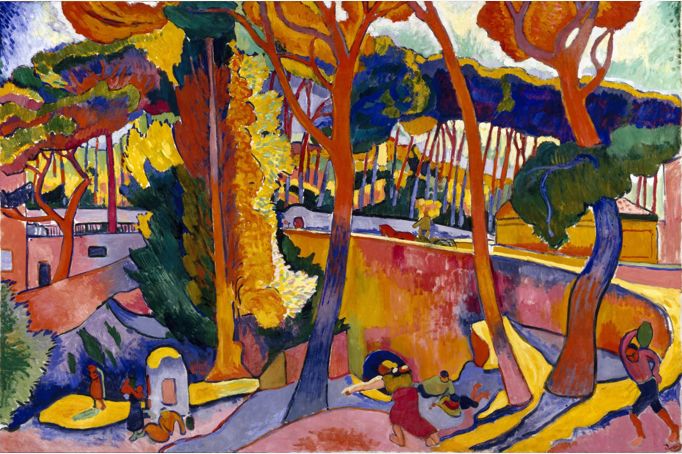
At-Home Art Activity “Exploring Fauvism and Creating Colorful Landscapes” October 10, 2022
Make your own art inspired by the Fauvist movement and André Derain’s The Turning Road, L’Estaque.
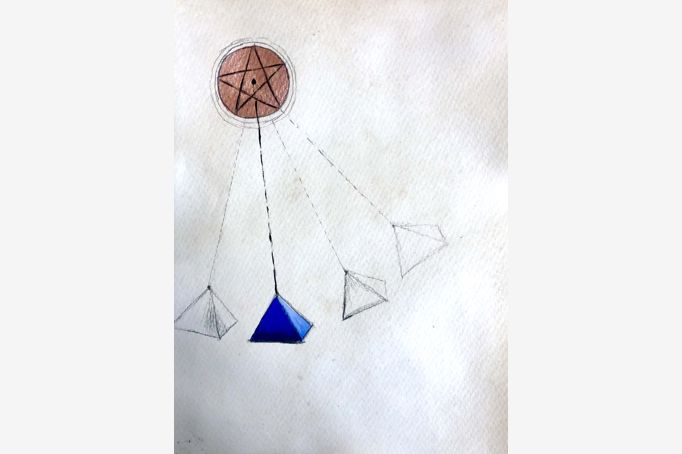
At-Home Art Activity Inspired by “Shahzia Sikander: Extraordinary Realities” May 20, 2022
Make your own art inspired by the work of Shahzia Sikander in the exhibition Extraordinary Realities.
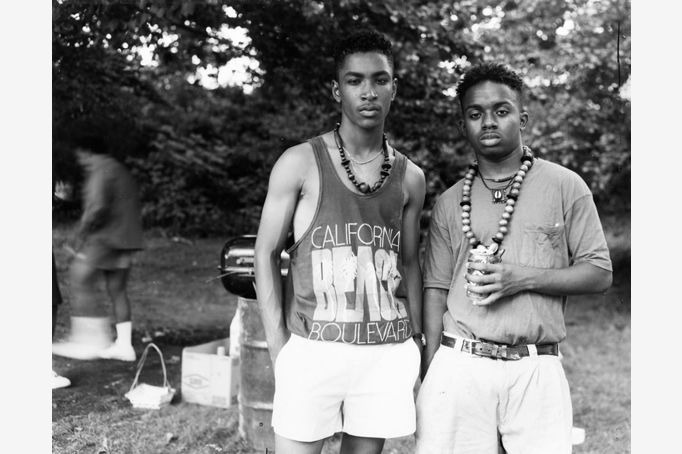
At-Home Art Activities Inspired by “Dawoud Bey: An American Project” May 6, 2022
Create your own works of art with these projects and inspiration from the photographs in the exhibition Dawoud Bey: An American Project.
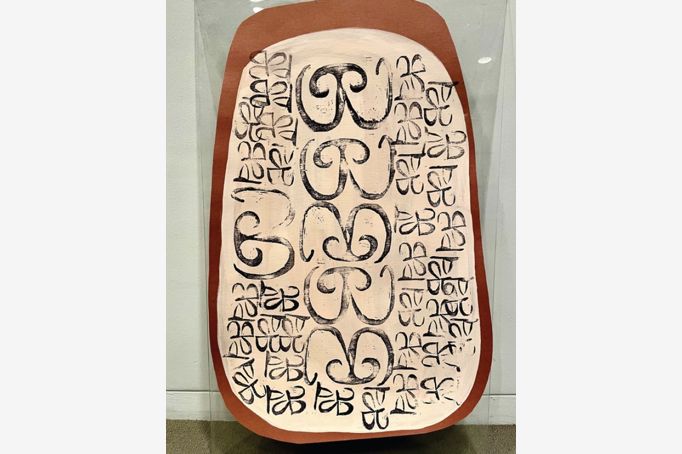
At-Home Activities Inspired by Art from the Indigenous Pacific Islands and Australia May 2, 2022
Create your own works of art with inspiration from the Indigenous Pacific Islands and Australia.