
Dancing Your Roots with the Royal Scottish Country Dance Society
As Tudors to Windsors: British Royal Portraits from Holbein to Warhol draws to a close very soon, the Museum celebrates the exhibition’s final days with programs inspired by centuries of British history—from a final-weekend talk and fashion workshop to an evening of Scottish country dancing.
The roots of Scottish country dancing trace back to the court of Queen Elizabeth I, and continue to evolve. The Royal Scottish Country Dance Society, established in 1923 and now under the patronage of Queen Elizabeth II, helps spread these historic dances across the world. On Thursday, January 24, the society’s Houston & District Branch gives a free gallery performance at the MFAH. There’s even an interactive component that invites the audience to try dances for beginners!
I talked with teachers and dance enthusiasts from the Houston & District Branch about performing. Read on for insights from Tiffany Clede, a Heights-based teacher; David Davies, who has taught with the branch for more than 20 years; and Margaret Rose Simons, branch chair.
What is the goal of the Royal Scottish Country Dance Society?
The society offers participants a chance to learn and execute a dance form that retains its roots in steps, formations, and style—both in the intact antique dances and in the newer dances. We stress the social aspects, and enjoying the music and movement of this uniquely Scottish tradition.
Because RSCDS has conserved and standardized Scottish country dance, the class structure and dances are virtually the same the world over. So a dancer from Houston could drop into a class in Tokyo, Sydney, or Madrid and feel right at home. Most people who participate don’t have a dance background, and many have never danced before in any style. Our dances are taught in such a way that they are accessible to anyone who wishes to learn.
How do the traditional dances relate to the art on view in Tudors to Windsors?
Since Queen Elizabeth II is the patron of our society, which was granted royal status in 1951, we feel a connection with the Windsors. The program on January 24 includes a dance written in honor of the wedding of Her Royal Highness Princess Elizabeth and the Duke of Edinburgh in 1948. Another dance in our program was written in 2012 in honor of Queen Elizabeth II’s Diamond Jubilee.
What can MFAH audiences expect to see?
We’ll perform four dances and ask the audience to join us in one or more, as time allows. You can expect to see kilts, tartan sashes, and smiles—and of course steps, formations, and style that draw directly from more than 200 years of tradition. We enjoy our dancing and do our best to show it!
Drop in for the Royal Scottish Country Dance Society’s gallery performance on Thursday, January 24! The exhibition “Tudors to Windsors: British Royal Portraits from Holbein to Warhol” is on view through Sunday, January 27.
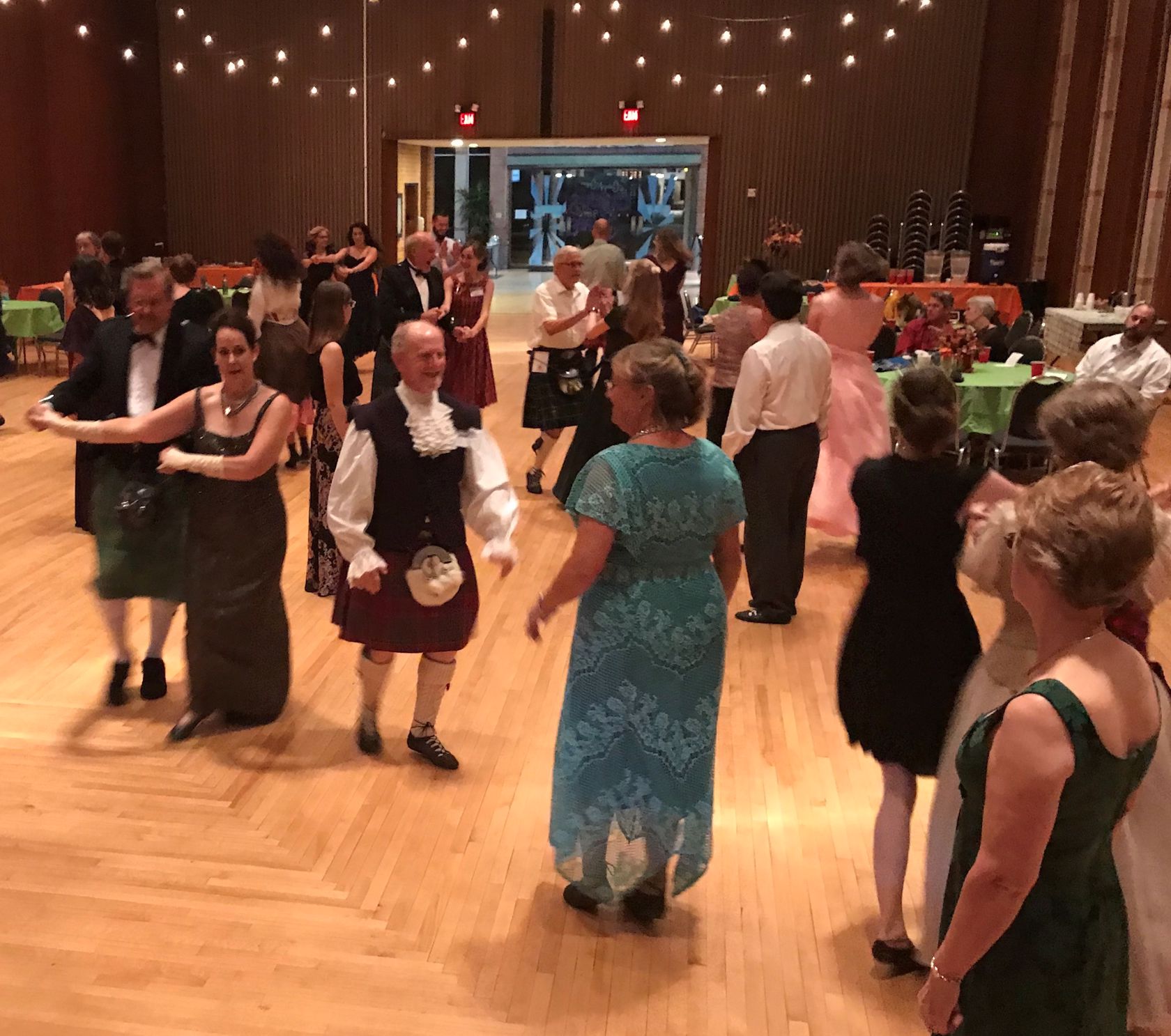
A ball organized by the Royal Scottish Country Dance Society in Houston.
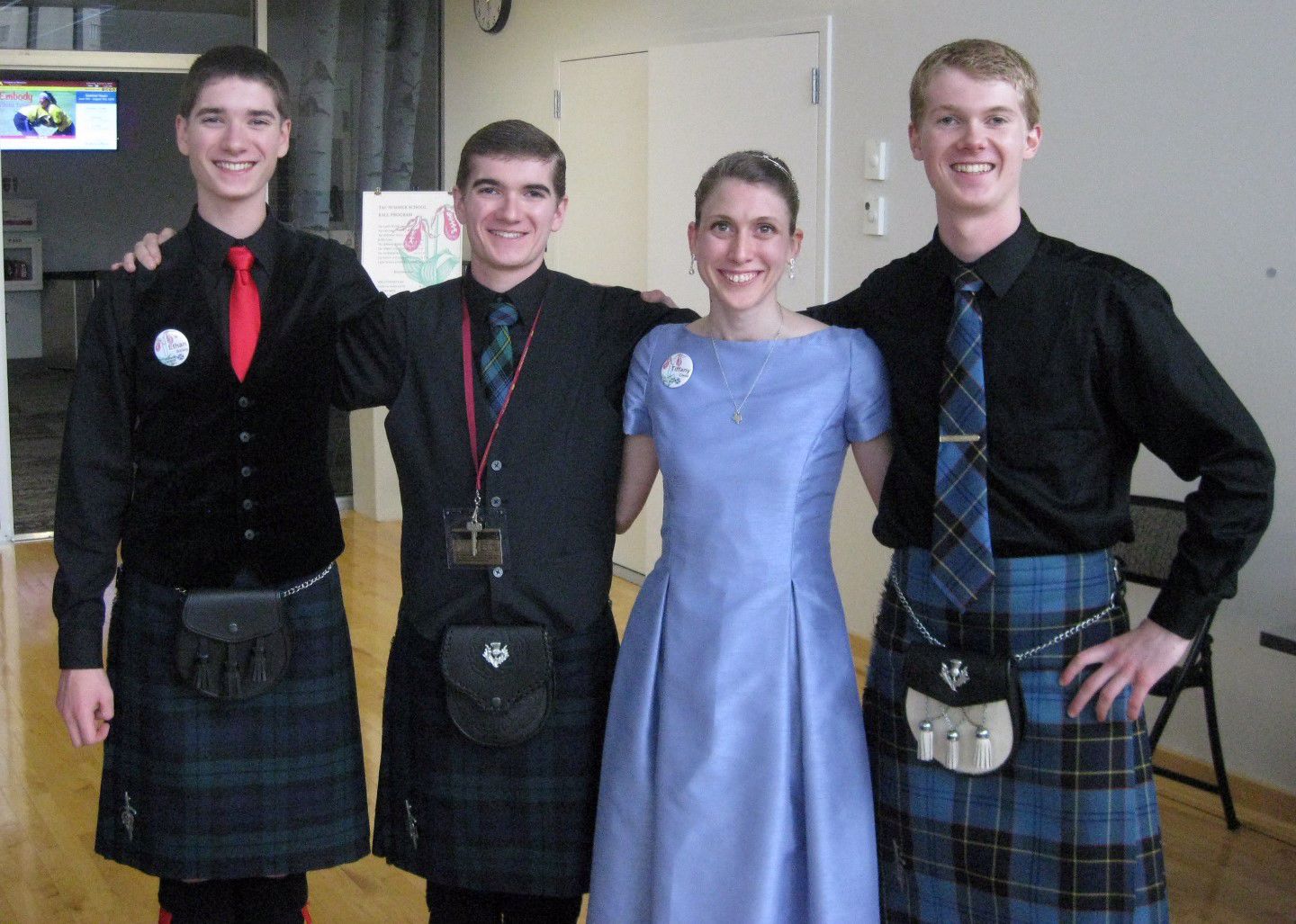
Royal Scottish Country Dance instructor Tiffany Clede with three kilt-clad friends
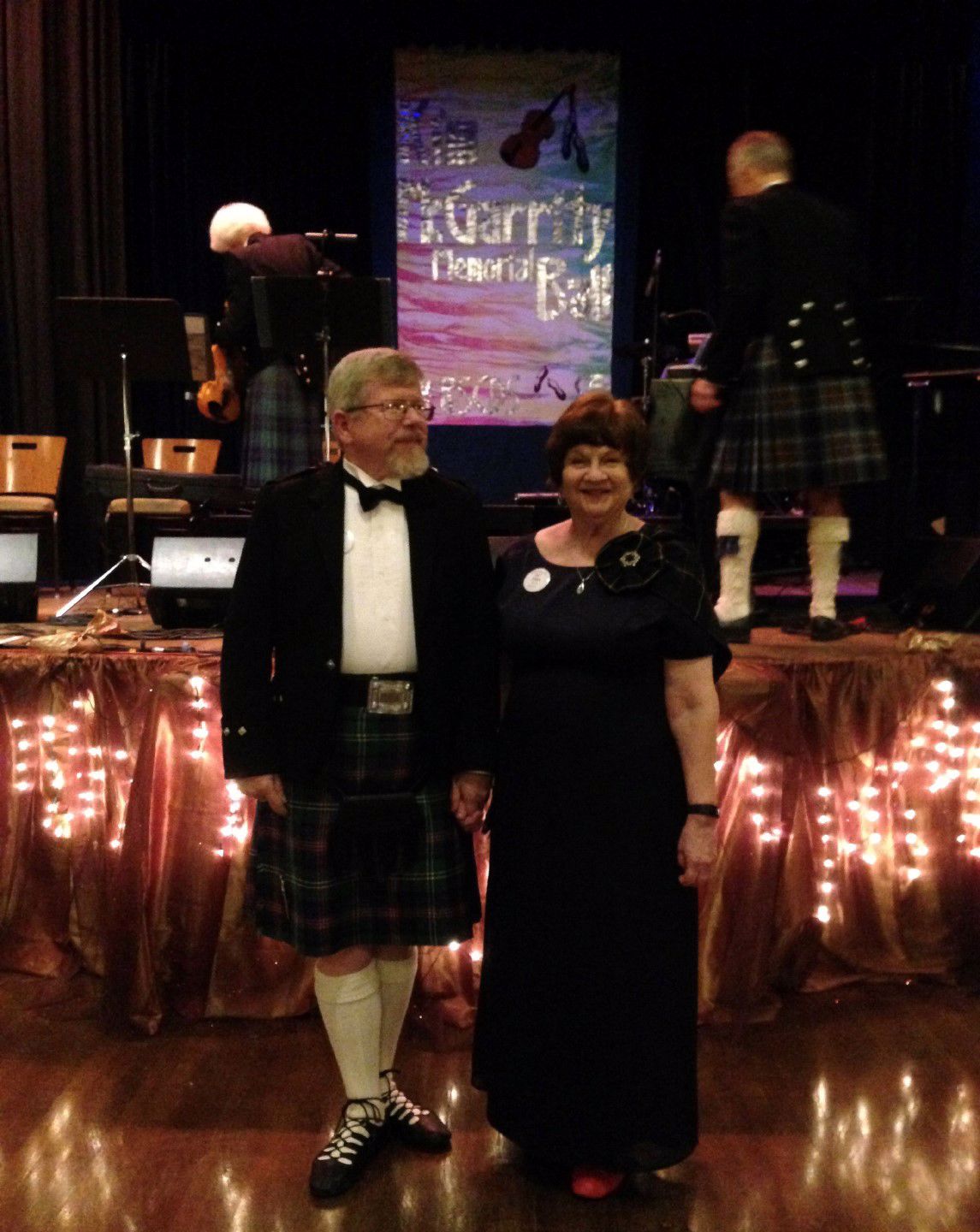
Royal Scottish Country Dance Society teacher David Davies and his wife, Tina Davies
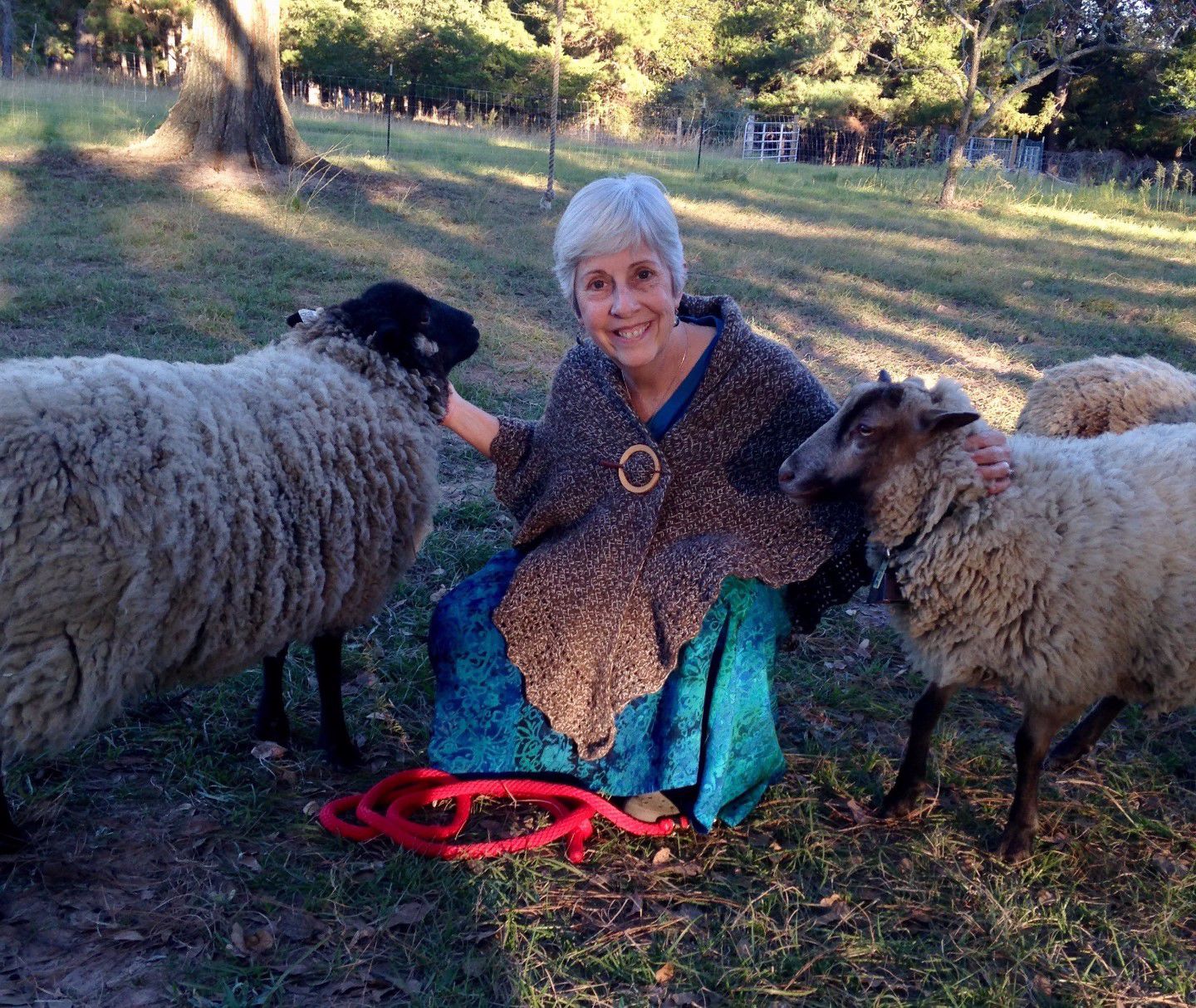
Margaret Rose Simons, chair of the Houston & District Branch of the Royal Scottish Country Dance Society
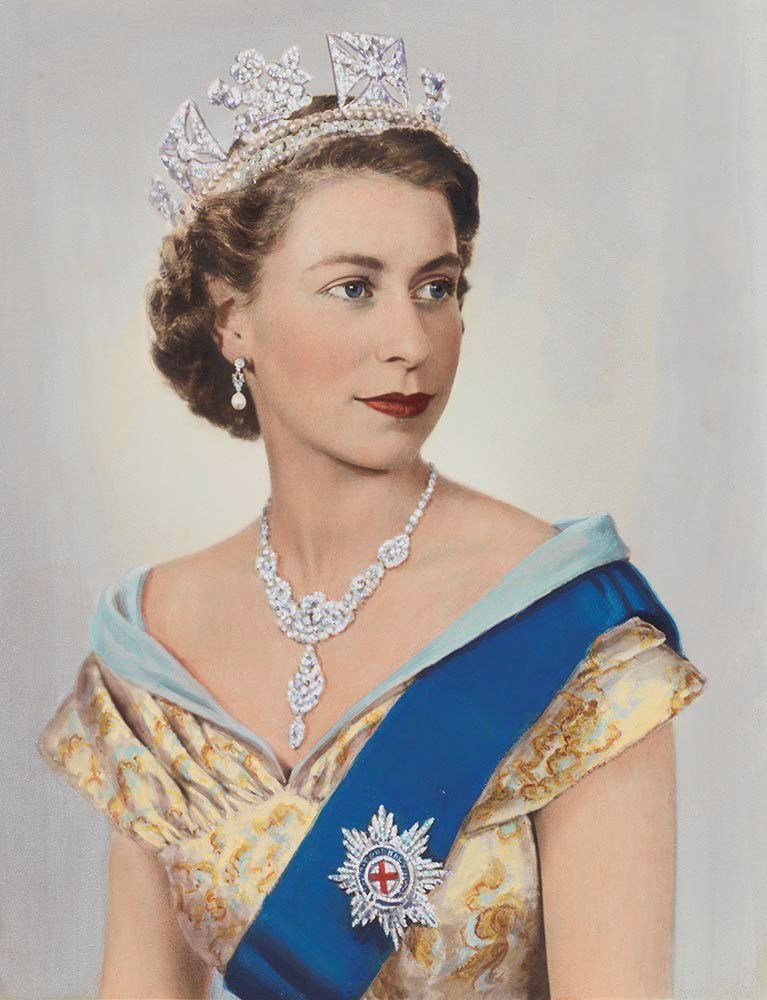
Beatrice Johnson and Dorothy Wilding, Queen Elizabeth II, 1952, hand-colored bromide print, National Portrait Gallery, London. © William Hustler and Georgina Hustler / National Portrait Gallery, London
Posts
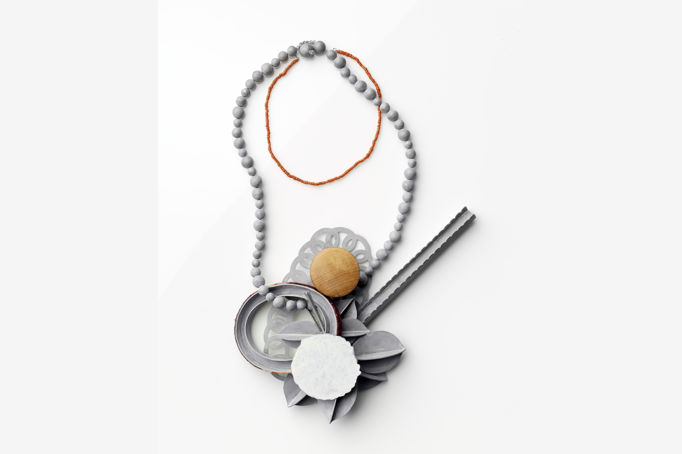
At-Home Art Activity “Exploring Materials and Creating & Modifying Beads” November 15, 2022
Create your own art while exploring a variety of materials and beads, with inspiration from works in the MFAH collections.
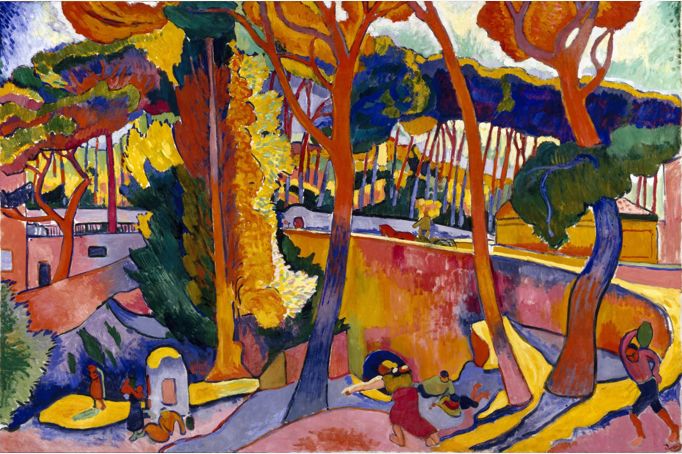
At-Home Art Activity “Exploring Fauvism and Creating Colorful Landscapes” October 10, 2022
Make your own art inspired by the Fauvist movement and André Derain’s The Turning Road, L’Estaque.
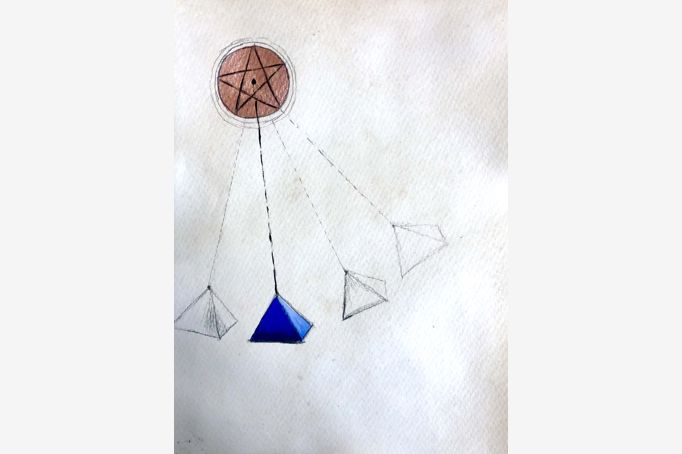
At-Home Art Activity Inspired by “Shahzia Sikander: Extraordinary Realities” May 20, 2022
Make your own art inspired by the work of Shahzia Sikander in the exhibition Extraordinary Realities.
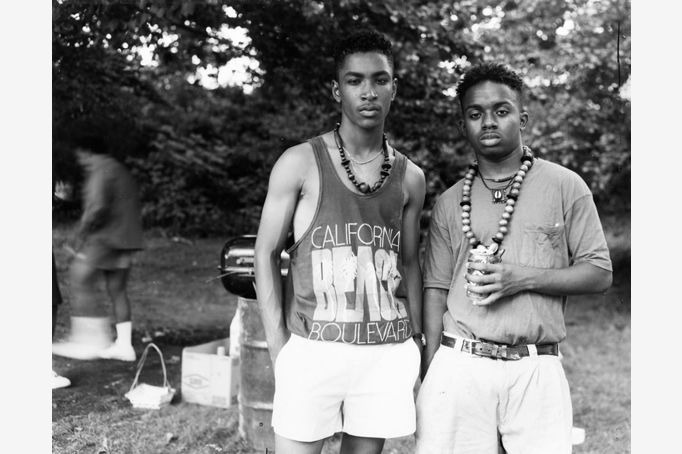
At-Home Art Activities Inspired by “Dawoud Bey: An American Project” May 6, 2022
Create your own works of art with these projects and inspiration from the photographs in the exhibition Dawoud Bey: An American Project.
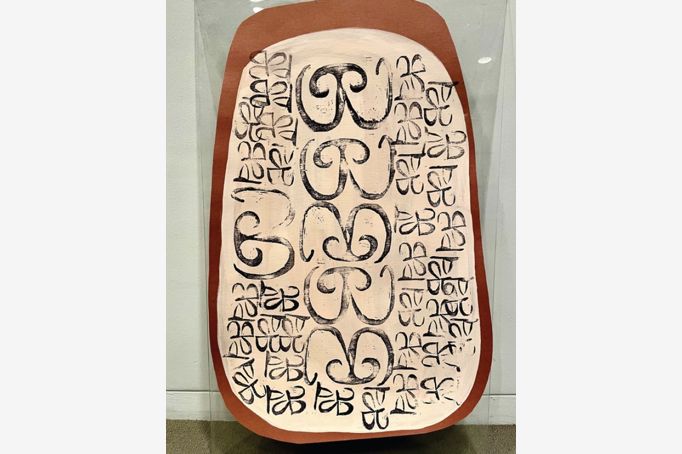
At-Home Activities Inspired by Art from the Indigenous Pacific Islands and Australia May 2, 2022
Create your own works of art with inspiration from the Indigenous Pacific Islands and Australia.